Affiliate Disclosure: Furrowise is reader-supported. Some links in this article are affiliate links, and we may earn a commission if you make a purchase through them — at no extra cost to you. This never affects which products we recommend or how we write about them.
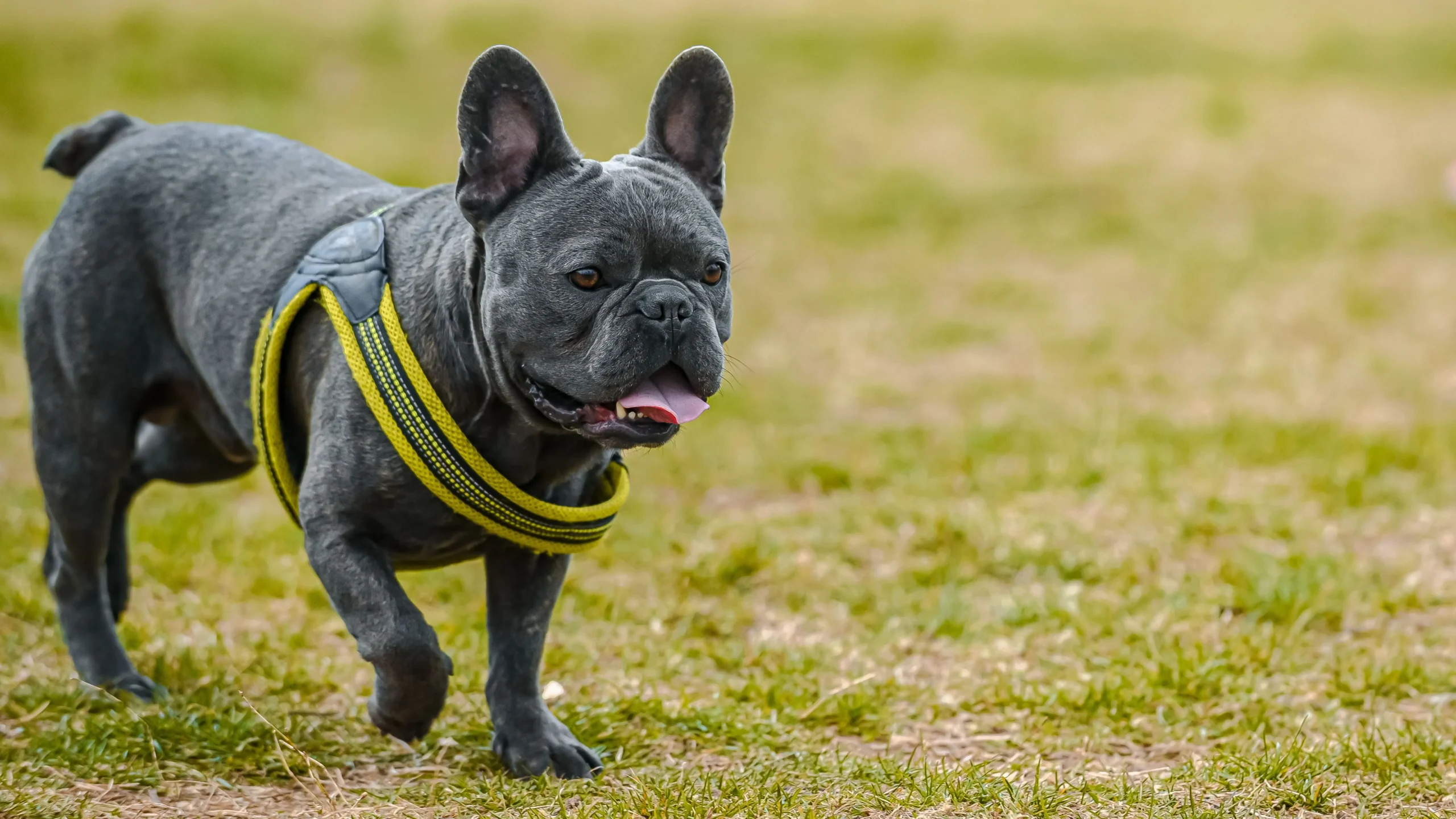
For dog owners, proper care goes far beyond simply providing food and water; understanding your dog lifestyle needs is equally crucial. My bulldog Tank is, by breed standard, kind of a walking case study in why “lifestyle” needs its own conversation separate from diet. He can eat a perfectly balanced meal and still overheat on a five-minute walk in August, get grumpy from boredom on a rainy week, or need his face folds checked because nobody warned me how much upkeep those come with. Food was never going to fix any of that. This guide is the starting point for everything we’ll cover under “Lifestyle” here on Furrowise — exercise, mental enrichment, rest, safety, socialization, and the daily-life decisions that add up to a dog who’s actually thriving, not just eating well.
Understanding Dog Lifestyle Needs Beyond the Food Bowl
A dog’s wellbeing tends to rest on a handful of pillars, and nutrition is only one of them. Researchers who study canine welfare generally point to physical activity, mental stimulation, social contact, predictable routines, and adequate rest as the other major pieces. Observational studies on shelter and companion dogs have repeatedly linked under-stimulation with an increase in owner-reported “problem behaviors” — though it’s worth flagging that this research is correlational, not experimental, so it tells us these things tend to co-occur rather than proving one directly causes the other.
In practice, this means a dog who’s pacing, chewing furniture, or seems constantly wound up isn’t necessarily being “difficult.” There’s a reasonable chance their daily life just isn’t set up to meet needs that food alone can’t cover. Working through dog lifestyle needs systematically — rather than reacting one problem at a time — tends to be more effective than troubleshooting individual behaviors in isolation, though there isn’t a single validated checklist that fits every breed and every dog equally well.
Exercise Needs by Life Stage
“How much exercise does my dog need” is one of those questions where the honest answer keeps changing. Understanding exercise needs by life stage is one of the simplest ways to avoid both under- and over-exercising a dog.
Puppies generally do better with shorter, more frequent bursts of activity than long runs — their growth plates aren’t fully closed, and vets commonly advise against high-impact, repetitive exercise (jogging on pavement, for example) until a dog is closer to full skeletal maturity.
Adult dogs in good health usually do well with a mix of daily walks and some higher-intensity play, though the right amount varies enormously by breed — a Border Collie and a bulldog are not the same assignment.
Senior dogs often still want and need regular movement for joint mobility and weight management, but intensity and duration typically need to flex around arthritis or reduced stamina.
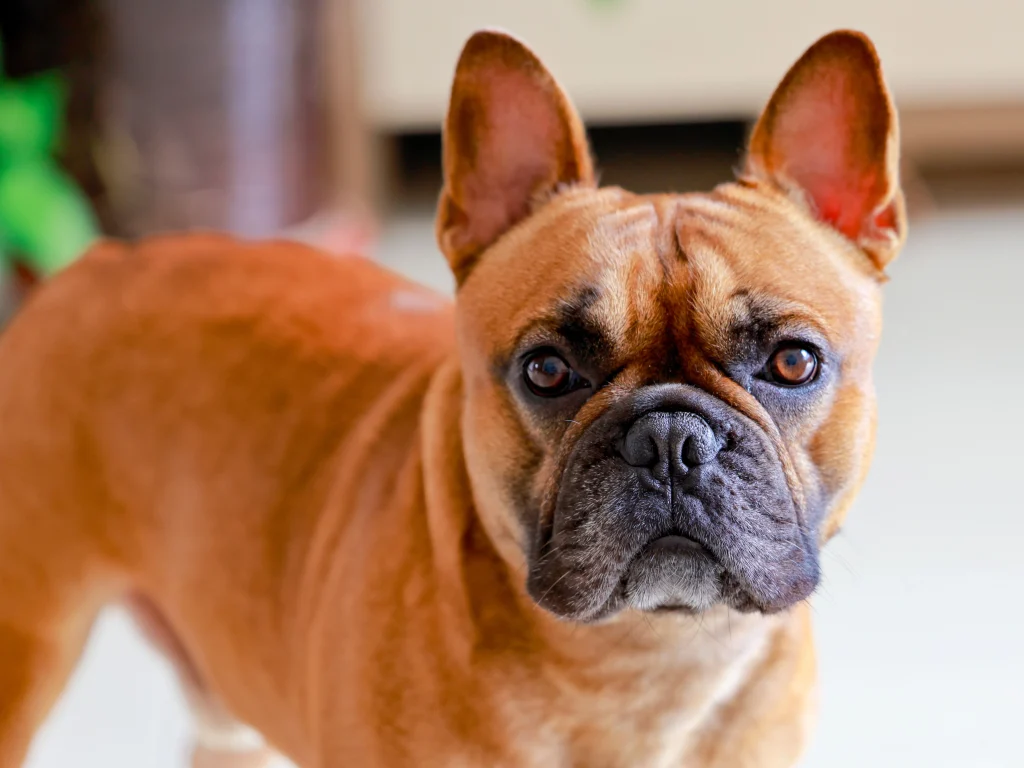
Tank’s case is its own subcategory: as a brachycephalic (short-muzzle) breed, his airway anatomy makes it harder for him to move air efficiently, especially in heat or humidity, and he overheats faster than a longer-nosed dog doing the same activity. If you own a flat-faced breed — Bulldogs, French Bulldogs, Pugs, Boston Terriers — exercise timing (early morning, evening, indoor play on hot days) usually matters more than exercise volume.
Mental Enrichment Ideas
A tired body and a bored brain are not the same thing. A few simple mental enrichment ideas go a long way toward closing that gap, without requiring a full routine overhaul:
- Rotating food-dispensing toys or snuffle mats in for a plain bowl at some meals
- Short, low-stakes training sessions — a few minutes teaching a new cue engages problem-solving more than people expect
- Sniff-focused walks where the dog sets the pace and route, instead of a brisk structured walk
- Simple novelty: a new route, a cardboard box with treats hidden inside, letting them investigate something new
None of this needs to be elaborate. The goal is variety and a bit of mental effort built into the day.
Rest Is Part of the Job, Not a Sign of Laziness
It’s easy to focus on activity and forget dogs — especially puppies, seniors, and certain breeds — need real rest to function well. A predictable rest space setup — a crate, a bed in a quiet corner, wherever your dog reliably settles — that isn’t constantly interrupted matters more than most owners initially assume.
For brachycephalic dogs like Tank, rest also does double duty as temperature regulation. Flat-faced breeds are generally less efficient at panting off heat, so a cool, low-activity rest period after any exertion isn’t optional the way it might be for other dogs — it’s part of preventing overheating. If a short-muzzle dog seems to be breathing harder than usual, seems distressed, or won’t settle even in a cool space, that’s a symptom worth taking seriously rather than waiting out — persistent or worsening breathing difficulty should be checked by a vet promptly, since airway issues in these breeds can escalate quickly.
Socialization Isn’t Just a Puppy Task
Early socialization — exposure to new people, animals, environments, sounds, and surfaces during the first few months of life — gets a lot of attention, and for good reason; that window matters. But social and environmental exposure doesn’t stop mattering once puppyhood ends.
Adult and senior dogs generally benefit from continued, low-pressure exposure to new situations — different walking routes, the occasional new environment, calm interactions with unfamiliar dogs and people when appropriate. The goal isn’t forcing interaction a dog is uncomfortable with; it’s preventing the kind of isolation that can make dogs increasingly anxious about anything unfamiliar as they age.
Dog-Proofing Your Home
A lifestyle-friendly home starts with dog-proofing your home in a few key areas that come up constantly:
- Securing household chemicals, medications, and certain foods out of reach (chocolate, xylitol-containing products, grapes/raisins, and onions/garlic are common ones worth knowing)
- Checking yards and walking routes for toxic plants relevant to your region
- Weather safety — recognizing heat stress risk on hot pavement or in parked cars, and cold tolerance limits for short-coated or very young/senior dogs
- Secure fencing and leash habits, especially for dogs with a strong prey drive or a habit of bolting
Skin-fold care belongs on this list too if you own a wrinkly breed — folds around the face and body can trap moisture and debris, and going too long between cleanings can lead to irritation. It’s a small maintenance task that doesn’t come up for smooth-coated dogs at all, which is part of why breed-specific lifestyle needs matter as much as general ones.
Seasonal and Travel Considerations
Lifestyle needs shift with the seasons more than most owners plan for. Summer heat is the obvious one — pavement can reach temperatures that burn paw pads well before the air itself feels dangerous, and cars heat up fast enough that “just a few minutes” is genuinely risky, especially for brachycephalic breeds like Tank who already run hotter and pant less efficiently. Cold weather brings its own version: short-coated, very young, senior, or underweight dogs often need a jacket or shortened outdoor time once temperatures drop, even if they seem fine at first.
Travel adds another layer entirely. A dog who’s never left a familiar routine can find car rides, new hotel rooms, or unfamiliar noise levels genuinely stressful — not because anything is “wrong” with them, but because novelty itself is a lifestyle variable most routines don’t account for. Building in short practice trips before a big one, packing familiar bedding, and keeping feeding times close to normal all help more than people expect.
Multi-Pet Households Add Another Layer
If you’re managing more than one dog, or dogs alongside cats, lifestyle planning gets more complex — feeding routines to prevent resource guarding, separate rest spaces, and enough one-on-one time so no pet is chronically overlooked. Tank shares a house with my Maine Coon, and getting their routines to coexist took longer than either of their individual routines did on their own — mostly around feeding stations and making sure the cat had vertical space to retreat to when a 55-pound bulldog wanted to say hello. We’ll go deeper on this in a dedicated multi-pet household guide.
When a Lifestyle Change Might Actually Be a Health Issue
A genuine shift in behavior — new reluctance to move, sudden clinginess, increased hiding, a previously social dog becoming irritable — isn’t always a “training” problem to solve with more enrichment. These changes can also be early signs of pain, illness, or cognitive decline in older dogs. If a behavior change is sudden, persistent, or getting worse, it’s worth having your vet rule out a medical cause before assuming it’s purely behavioral.
Where This Fits Into Everything Else on Furrowise
This pillar page is the hub for our Lifestyle cluster. From here, we’ll be building out more specific guides — deeper dives on age-specific exercise routines, enrichment toy buying guides, brachycephalic-specific care, and reviews of products designed around these needs. Some of that content is still in progress; the anchors below map out where each topic will eventually live.
Editorial Note: This article draws on published research in canine behavior and welfare, veterinary-reviewed care guidance, and editorial analysis of that material. Details about brachycephalic care reflect Tank’s real day-to-day needs as Maddie’s own dog, alongside general veterinary guidance for the breed group — not hands-on testing of any product.
Disclaimer: This article is not veterinary advice. If your dog is showing signs of illness, distress, or a sudden behavior change, please consult a vet.